Wholesale Brand Name Clothing Los Angeles, Tri-blend T-shirts Wholesale Supplier Bahrain, Men's Bamboo Wide Neck T Supplier
Click here to
You have selected items

Looking to import high-quality t-shirts from Bangladesh to Spain? Our comprehensive guide covers everything you need to know, from finding reliable suppliers to navigating customs regulations. Don’t miss out on the opportunity to source affordable and stylish t-shirts for your business or personal use. Read on to learn more.
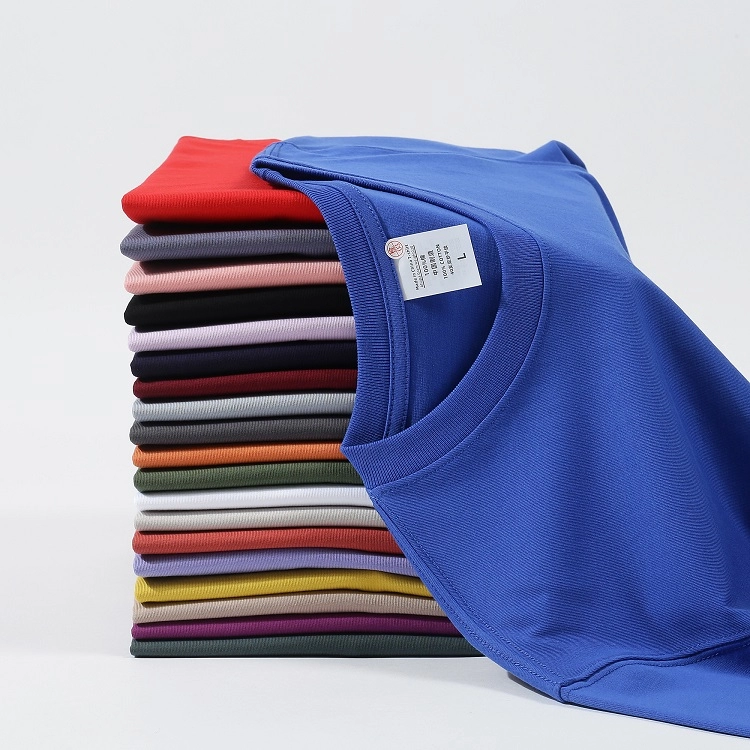
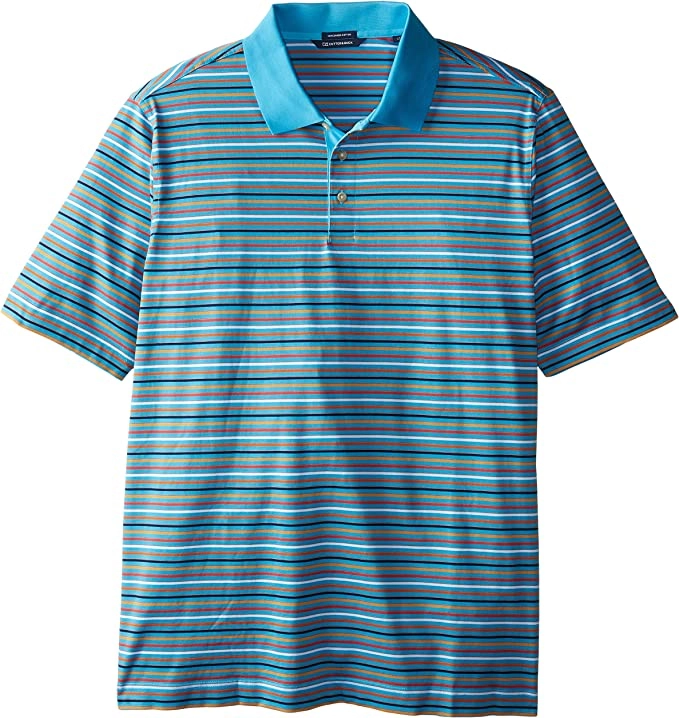
Wholesale Brand Name Clothing Los Angeles, Tri-blend T-shirts Wholesale Supplier Bahrain, Men's Bamboo Wide Neck T Supplier
Click here to

Private Label T-shirts Wholesale Supplier Kuwait, Wholesale Mens Clothing Suppliers In Bangalore, Youth Polo Shirts Wholesale
Click here to

Boys Embroidered Garments Exporter In Bangladesh, Bangladesh Garment Factories, Premium Custom Hoodies
Click here to

Women's Activewear Manufacturers, Girl Hoodie Suppliers Bangladesh, Custom Fleece Shorts
Click here to

Hat Manufacturer In Bangladesh, Chefs Baggy Chef Pants Factory In Bangladesh, Advertising T-shirts Wholesale Supplier Peru
Click here to
Bangladesh Dhaka Number, Wholesale Clothing Suppliers In Nepal, Bangladesh Bermuda Shorts Manufacturer
Click here to

Sweatshirt Producer In Bangladesh, T-shirt Wholesale In Ghana, T-shirt From China
Click here to

Blank Leggings, Women's Wear Exporter Bangladesh, Men Clothing Manufacturer
Click here to
Active-wear; Sleepwear, Oem Men's Casual Grahic T-shirts Factory, Sublimation T-shirts Wholesale Supplier Chile
Click here to
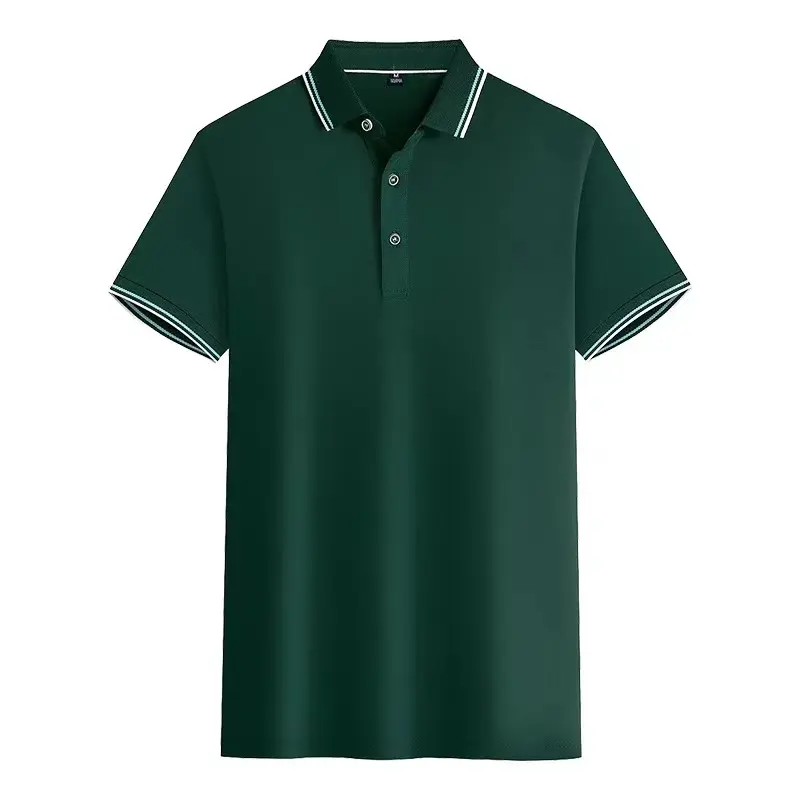
Children's Wear Manufacturer, Wholesale Women's Organic Classic Zip-up Hoodie, Dri-Fit T-shirts Wholesale Supplier Jordan
Click here to
Wholesale T Shirts Bulk Supplier Los Angeles, Wholesale T-shirts In Denmark, Embroidery T-shirts Wholesale Supplier Ireland
Click here to
Wholesale Clothing In Doha, Giveaways T-shirts Wholesale Supplier Jordan, Odm Beach Cartoon Shorts Men's Suppliers
Click here to

6 Button Crystal Tunic Factory In Bangladesh, Clothing Supplier In Watford, Custom Black Skinny Jeans
Click here to

Bangladesh Clothes Manufacturers, Mens Raw Edge T-Shirt Supplier, Wholesale Clothing Vendors From China
Click here to

Custom Cut And Sew Hoodies, Custom Shoe Manufacturers In China, Women's Organic Tunic T-shirt Supplier
Click here to

Women's Athletic Wear Companies, Promotional T-shirts Cheap, Boxer Short Manufacturer
Click here to
T-shirts are a staple in the fashion industry, and importing them from countries like Bangladesh to Spain can be a profitable business venture. Bangladesh has emerged as a leading supplier of t-shirts in the global market, known for its high-quality products at competitive prices. However, importing t-shirts from Bangladesh to Spain requires a solid understanding of the market, reliable suppliers, compliance with international quality and safety standards, and streamlined logistics and shipping processes. In this article, we will provide a comprehensive guide on how to import t-shirts from Bangladesh to Spain, covering key topics such as finding reliable suppliers, navigating the import process, ensuring quality and compliance, managing costs, and building successful partnerships with suppliers.
Bangladesh is one of the largest exporters of ready-made garments in the world. Its garment industry employs over 4 million people and accounts for 80% of the country’s export earnings. T-shirts are a key product in the industry and are produced in various types of fabrics, including cotton and polyester.
The process of exporting t-shirts from Bangladesh involves finding a reliable supplier, negotiating prices and terms, arranging for production and shipping, and complying with import regulations in the destination country. Bangladesh has preferential trade agreements with many countries, including Spain, making it an attractive location to import t-shirts from.
Spain is a significant market for t-shirts, with a high demand for quality garments at competitive prices. The Spanish market offers opportunities for various types of t-shirts, including sports, casual, and graphic tees. Understanding the preferences and trends of the Spanish market is essential to succeed in importing t-shirts to Spain.
When looking for t-shirt suppliers in Bangladesh, it is essential to conduct thorough research to find reliable and trustworthy partners. Online directories, trade shows, and referrals from industry professionals can be helpful in identifying potential suppliers.
Assessing the supplier’s capability and capacity is crucial in ensuring that the supplier can meet the required quality standards and production volumes. Checking the factory’s infrastructure, machinery, worker conditions, and production process can give an idea of the supplier’s capabilities.
Negotiating prices and minimum order quantities (MOQs) is a critical aspect of importing t-shirts from Bangladesh. Understanding the supplier’s production costs and market prices can help in negotiating favorable terms.
Importing t-shirts to Spain requires complying with the country’s import regulations. Knowing the required documentation, labeling requirements, and import procedures can help in avoiding delays and penalties.
Importing t-shirts to Spain may attract various taxes and duties, such as value-added tax (VAT) and customs duties. Understanding the applicable taxes and duties can help in preparing a cost-effective pricing strategy.
The customs clearance process can be complex and time-consuming, involving document verification, physical inspection of goods, and payment of taxes and duties. Working with reliable freight forwarders and customs brokers can help in navigating the customs clearance process.
International quality standards, such as ISO 9001 and Oeko-Tex, set requirements for product quality, safety, and environmental protection. Ensuring that the t-shirts meet these standards can help in building a reputable brand and meeting customer expectations.
Imported t-shirts should comply with Spanish regulations, such as labeling requirements and product safety standards. Failing to meet these requirements can lead to penalties and product recalls.
Conducting factory audits and implementing quality control processes can reduce the risk of receiving substandard products. Regular factory audits can ensure that the factory complies with ethical and environmental standards and has adequate health and safety measures in place. Implementing quality control processes can help in identifying and correcting product defects before shipping.
Importing t-shirts from Bangladesh to Spain involves a lot of logistics and planning. Here are some best practices to consider:
Choose a shipping method that best suits your needs and budget. Air freight is the fastest but also the most expensive. Sea freight is cheaper but slower. Discuss with your supplier which method would work best for you.
Consider hiring a freight forwarding and customs brokerage company to handle the logistics for you. They will ensure that your shipment is processed quickly and smoothly through customs.
Be sure to have adequate insurance coverage for your shipment. This will protect you from any loss or damage during transit. Conduct a thorough risk assessment before importing to mitigate any potential risks.
Importing t-shirts from Bangladesh can be a cost-effective way to source products. Here are some tips on managing costs and maximizing profits:
Calculate the total cost of importing t-shirts including transportation, customs fees, taxes, and any other fees associated with the import process. This will help you determine your profit margins.
Look for ways to reduce costs such as negotiating with suppliers for better prices, consolidating orders to reduce shipping expenses, and optimizing your supply chain.
Maximize your profit margins by effectively marketing your t-shirts to your target market. Conduct market research to understand your audience and tailor your marketing efforts to their needs and preferences.
Building a successful partnership with your suppliers is essential for a successful import business. Here are some best practices:
Effective communication and relationship building are essential for a successful partnership. Be transparent and honest with your suppliers and maintain open lines of communication.
Monitor your supplier’s performance through metrics such as quality control, lead time, and delivery performance. This will help you identify any areas for improvement and ensure that your supplier is meeting your expectations.
Collaborate with your supplier on product development and innovation. This will help you stay competitive in the market and build a strong partnership with your supplier.
The future of t-shirt imports from Bangladesh to Spain is full of promise and opportunity. Here are some trends and innovations to watch out for:
The garment industry in Bangladesh is facing challenges such as increased competition and rising production costs. However, the industry is also growing and adapting to meet new demands and trends.
The Spanish market offers opportunities for growth for t-shirt imports from Bangladesh. The demand for sustainable and ethical fashion is growing, and Bangladesh is well-positioned to meet these demands.
Innovations in t-shirt manufacturing and exporting are making the process more efficient and sustainable. For example, automated cutting machines are reducing production time and waste, while sustainable materials such as recycled polyester are becoming more popular.Importing t-shirts from Bangladesh to Spain can be a lucrative business opportunity, but it also requires careful planning, research, and execution. By following the best practices outlined in this article, you can ensure that your import business is successful, profitable, and sustainable. Remember to stay up to date with the latest trends and innovations in the garment industry, establish strong relationships with your suppliers, and continuously improve your processes to stay ahead of the competition. With the right approach and mindset, you can transform your t-shirt import business into a thriving enterprise.
Yes, it is possible to import t-shirts from Bangladesh to Spain without a broker, but it can be challenging and time-consuming. A customs broker can help you navigate the complex import regulations, handle documentation, and expedite the clearance process. However, hiring a broker will incur additional costs, so it’s up to you to weigh the benefits against the expenses.
To ensure that your t-shirts meet international quality standards, you need to work with suppliers that have a reputation for producing high-quality products. You can also conduct factory audits, request product samples, and conduct quality control inspections before shipment. Additionally, you can obtain certifications such as the Global Organic Textile Standard (GOTS) or the OEKO-TEX Standard 100 to demonstrate that your products meet specific quality and safety criteria.
To negotiate prices with your Bangladesh suppliers, you need to have a good understanding of the market, supplier costs, and industry benchmarks. Start by researching the current market prices and the prices offered by other suppliers. Then, request quotes from your preferred suppliers and compare them to determine if you’re getting a fair deal. If the prices are too high, you can try negotiating for lower prices, longer payment terms, or favorable MOQs.
Importing t-shirts from Bangladesh to Spain involves several risks, including quality issues, supply chain disruptions, logistics problems, and compliance risks. To mitigate these risks, it’s essential to work with reliable suppliers, conduct proper due diligence, choose the right shipping method, and ensure compliance with all import regulations. You should also have contingency plans in place in case of unexpected events such as natural disasters, political instability, or labor strikes.
Blank t-shirts are one of the most versatile garments in the fashion industry. They are an essential staple in everyone’s wardrobe, from a casual day to a formal event. Bangladesh is the world’s second-largest exporter of garments after China, and it specializes in the manufacturing of a wide range of clothing, including blank t-shirts. In this article, we will explore the manufacturing process of blank t-shirts in Bangladesh. We will delve into the raw materials used, the steps involved in the production process, quality control measures, ethical and sustainable practices, challenges faced by manufacturers, future trends, and recommendations to improve manufacturing processes. Join us as we take an in-depth look at blank t-shirts manufacturing in Bangladesh.
Blank t-shirts have always been an essential wardrobe staple for men and women alike. They are versatile, comfortable and easy to wear. Bangladesh has emerged as one of the leading manufacturers of blank t-shirts in the world. In this article, we will take you through the entire manufacturing process of blank t-shirts in Bangladesh, right from the raw materials to the finished product.
The Bangladeshi garment industry is one of the largest in the world, accounting for around 80% of the country’s exports. The industry employs around 4 million people, mostly women. Bangladesh is known for its low cost of production and high-quality garments. The growth of the garment industry has helped in the overall economic development of the country.
Bangladesh has a large pool of skilled and semi-skilled labour, which makes it an ideal destination for garment manufacturing. The cost of labour is also lower compared to other countries, which makes it an attractive option for buyers. The government of Bangladesh has also taken several measures to promote the garment industry, such as providing tax benefits and subsidised loans to manufacturers.
Cotton is the primary raw material used in the manufacturing of blank t-shirts. Bangladesh is known for its high-quality cotton, which is grown in the northern region of the country. Cotton is a breathable and comfortable fabric, which makes it ideal for t-shirts.
Apart from cotton, other materials such as polyester, rayon and spandex are also used in the manufacturing of blank t-shirts. These materials are blended with cotton to enhance the fabric’s properties, such as stretchability and durability.
The first step in the manufacturing process of blank t-shirts is designing and pattern making. The design team creates the initial sketches of the t-shirt, and the pattern maker creates the pattern for the t-shirt, which is used for cutting the fabric.
The pattern is then used for cutting the fabric, which is done using cutting machines. After cutting, the fabric is sent to the stitching department, where the t-shirts are stitched together using sewing machines.
Once the t-shirts are stitched, they are sent for printing or embroidery, depending on the design. The printing is done using screen printing or digital printing techniques, while embroidery is done using machines.
Once the printing or embroidery is done, the t-shirts are sent for finishing, which includes trimming the loose threads and giving the t-shirt a final quality check. The t-shirts are then packed and shipped to the buyers.
There are two types of quality control measures used in blank t-shirts manufacturing: pre-production and post-production. Pre-production measures include checking the quality of the raw materials and ensuring that the equipment and machines are working properly. Post-production measures include checking the finished product for defects and ensuring that it meets the buyer’s specifications.
Various quality control techniques are used in blank t-shirts manufacturing, such as random sampling, statistical process control and visual inspection. These techniques ensure that the t-shirts meet the required quality standards and are defect-free before they are shipped to the buyers.
Ethical and sustainable practices are critical components of the manufacturing process for blank T-shirts. These practices not only ensure that workers are treated fairly and with respect, but they also help to mitigate the environmental impact of manufacturing. Adopting ethical and sustainable practices is essential for the long-term viability of the industry, as it ensures that resources are used responsibly, and that workers are treated humanely.
In Bangladesh, many blank T-shirts manufacturers have started adopting ethical and sustainable practices. For example, they are increasingly using organic cotton in their production, reducing water usage, and implementing fair labor standards. Additionally, some manufacturers have started investing in renewable energy sources, such as solar power, to reduce their carbon footprint. These practices demonstrate a commitment to ethical and sustainable business practices and help ensure the long-term viability of the industry.
Bangladesh is facing tough competition from other countries, such as China and Vietnam, which are known for their low production costs. This competition puts pressure on Bangladeshi manufacturers to keep prices low while also adopting ethical and sustainable practices.
Adopting sustainable and ethical practices can be more expensive, which can put pressure on manufacturers. Additionally, many manufacturers may have to pay a premium for certifications that attest to their adherence to fair labor and sustainability standards.
Many manufacturers in Bangladesh face a shortage of skilled workers, which can affect their production capacity and lead to longer lead times. This shortage is due in part to the industry’s rapid expansion, which has outpaced the supply of skilled labor.
As technology continues to advance, we can expect to see manufacturers in Bangladesh adopting new tools and equipment to increase efficiency and productivity. This will likely include the use of automation and robotics to streamline the production process.
As consumers become more aware of the environmental and social impacts of their purchases, we can expect to see an increased focus on sustainable and ethical practices in the blank T-shirt manufacturing industry. This trend will likely lead to more investment in renewable energy, better waste management practices, and stronger labor standards.
Blank T-shirts manufacturing in Bangladesh is facing challenges from low-cost competitors, high production costs, and a shortage of skilled workers. However, many manufacturers in the country are adopting ethical and sustainable practices to ensure the long-term viability of the industry. As technology continues to advance, we can expect to see further improvements in efficiency and productivity, as well as increased focus on sustainability and ethical practices.
To remain competitive, manufacturers in Bangladesh must continue to invest in technology and find ways to reduce production costs while maintaining ethical and sustainable practices. This can be achieved through more efficient supply chain management, better worker training, and increased use of renewable energy. Additionally, the government and industry associations should work together to improve labor standards and ensure that workers are treated fairly and with respect. Only by adopting these measures can the industry continue to grow and thrive in the years to come.In conclusion, the manufacturing of blank t-shirts in Bangladesh involves a series of complex processes and technologies that ensure the final product meets international standards. Despite the challenges faced by manufacturers, Bangladesh continues to be a hub for garment production, and the future looks promising with the integration of technology and increased focus on sustainable and ethical practices. It is important that manufacturers continue to adopt these practices and work towards improving the working conditions of their workers. As consumers, it is our responsibility to choose sustainable and ethical clothing to promote a better future for the garment industry.
Cotton is the primary raw material used in the manufacturing of blank t-shirts. It is preferred due to its natural breathability, softness, and absorbency. The cotton used in t-shirts manufacturing comes from different sources, including organic and conventional cotton.
The quality control measures used in blank t-shirts manufacturing include inspection of raw materials, in-process inspections, and final inspections. Manufacturers also use statistical quality control methods to ensure the consistency and quality of the final product.
Bangladeshi blank t-shirts manufacturers have adopted a range of ethical and sustainable practices, including the use of organic cotton, energy-efficient production processes, and waste reduction initiatives. They also follow strict labor laws and provide safe working conditions for their workers.
The future trends in blank t-shirts manufacturing include the integration of technology in manufacturing processes, such as automation, artificial intelligence, and 3D printing. There will also be an increased focus on sustainable and ethical practices, such as circular economy initiatives that prioritize waste reduction and environmental protection.